
Cuba’s Famous Historical Landmarks: A Journey Through the Island’s Rich Past
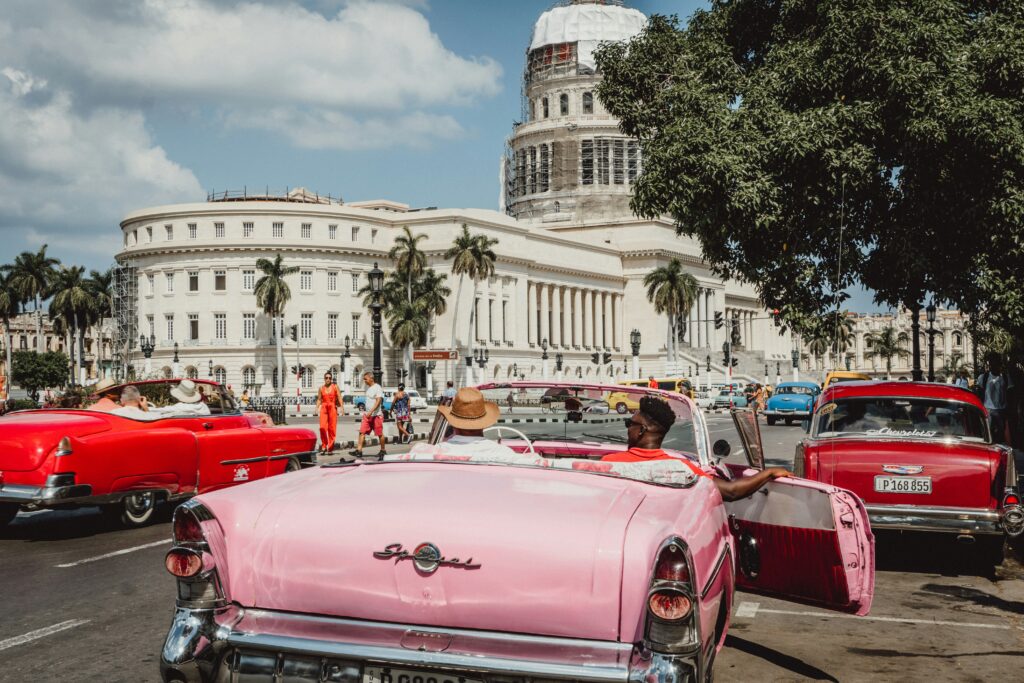
Cuba is much more than beautiful beaches and classic American cars. The island is home to centuries of fascinating history, reflected in its colonial cities, military fortresses, grand plazas, and preserved architecture. From Spanish colonial rule to the fight for independence and the country’s revolutionary history, Cuba’s landmarks tell the story of a nation shaped by resilience, culture, and tradition.
Whether you’re planning your first visit or simply want to learn more about this remarkable Caribbean destination, exploring Cuba’s famous historical landmarks offers a deeper understanding of the island’s heritage. Here are some of the most significant sites that deserve a place on every travel itinerary.
Old Havana (Habana Vieja)
No visit to Cuba would be complete without exploring Old Havana, the historic heart of the capital city. Designated a UNESCO World Heritage Site in 1982, this beautifully preserved district showcases more than 500 years of Cuban history.
Walking through Old Havana feels like stepping into another era. Narrow cobblestone streets wind between colorful colonial buildings, lively plazas, churches, museums, cafés, and local shops. Every corner reveals architectural details influenced by Spanish Baroque, Neoclassical, and Art Deco styles.
Some of the area’s most famous squares include Plaza Vieja, Plaza de Armas, Plaza de San Francisco, and Plaza de la Catedral. Each has its own unique history and atmosphere, making it easy to spend an entire day exploring on foot.
Street musicians, artists, and vintage automobiles add to Old Havana’s unforgettable charm, blending history with modern Cuban culture.
Castillo de los Tres Reyes del Morro
Standing proudly at the entrance to Havana Bay, Castillo de los Tres Reyes del Morro—often simply called El Morro—is one of Cuba’s most recognizable landmarks.
Construction of the fortress began in the late 1500s after repeated pirate attacks threatened Havana’s growing importance as a Spanish port. Built atop rocky cliffs overlooking the Caribbean Sea, the castle provided strategic protection for ships entering the harbor.
Visitors today can explore the fortress walls, underground passageways, old cannons, and watchtower while enjoying breathtaking panoramic views of Havana’s skyline.
Every evening, a traditional cannon-firing ceremony recreates the colonial ritual that once signaled the closing of the city’s protective gates.
Fortaleza de San Carlos de la Cabaña
Located next to El Morro is La Cabaña, one of the largest Spanish colonial fortresses ever constructed in the Americas.
Completed during the eighteenth century, this massive military complex was built to strengthen Havana’s defenses following the British occupation of the city in 1762.
The fortress later played several important roles throughout Cuban history, including military headquarters during the Cuban Revolution.
Today, visitors can tour museums, historical exhibits, and restored military buildings while learning about Cuba’s colonial and revolutionary past.
The nightly cannon ceremony remains one of Havana’s most popular attractions.
Trinidad
The city of Trinidad is often considered one of the best-preserved colonial towns in the Americas. Founded in 1514, it prospered during Cuba’s sugar industry boom and remains remarkably unchanged.
Walking through Trinidad’s cobblestone streets feels like traveling back to the eighteenth and nineteenth centuries. Beautiful pastel-colored homes, wrought-iron balconies, churches, and charming plazas have been carefully preserved.
The city’s Plaza Mayor serves as the centerpiece, surrounded by museums, historic mansions, and gardens that showcase the wealth generated by nearby sugar plantations.
Trinidad was recognized as a UNESCO World Heritage Site for its outstanding preservation and historical significance.
Valle de los Ingenios
Just outside Trinidad lies Valle de los Ingenios, or the Valley of the Sugar Mills.
During the eighteenth and nineteenth centuries, this region became one of the world’s leading sugar-producing areas. Dozens of plantations operated here, relying heavily on enslaved labor brought from Africa.
Today, visitors can explore plantation ruins, restored estates, historic homes, and the iconic Manaca Iznaga Tower. The tower was originally built to oversee plantation operations and monitor enslaved workers in the surrounding fields.
The valley serves as an important reminder of both Cuba’s economic prosperity and the difficult chapters of its history.
Santa Clara and the Che Guevara Mausoleum
Santa Clara holds a special place in modern Cuban history because of its connection to the Cuban Revolution.
The city became famous for the decisive Battle of Santa Clara in 1958, a major turning point that helped bring the revolutionary movement to power.
Today, many visitors come to see the Che Guevara Mausoleum and Memorial. The complex includes a museum displaying photographs, personal belongings, historical documents, and exhibits about Ernesto “Che” Guevara’s life and role in the revolution.
Whether visitors are interested in politics or history, the memorial offers valuable insight into one of the twentieth century’s most influential historical figures.
Viñales Valley
Although primarily known for its breathtaking natural beauty, Viñales Valley also represents an important piece of Cuba’s agricultural history.
For generations, local farmers have cultivated tobacco using traditional methods that have changed very little over the centuries. Visitors can tour family-owned tobacco farms, explore curing barns, and learn how some of the world’s finest cigars begin their journey.
The surrounding limestone mountains, known as mogotes, create one of Cuba’s most distinctive landscapes and have helped preserve the valley’s traditional way of life.
UNESCO recognized Viñales Valley as a World Heritage Site because of its cultural landscape and agricultural heritage.
Castillo de Jagua
Near the city of Cienfuegos stands Castillo de Jagua, a fortress built in the eighteenth century to protect Cuba’s southern coastline from pirates and privateers.
Although smaller than Havana’s famous fortresses, Castillo de Jagua remains remarkably well preserved. Visitors can walk through its stone corridors, climb defensive towers, and enjoy beautiful views overlooking Jagua Bay.
Its peaceful setting makes it one of Cuba’s lesser-known historical treasures.
Santiago de Cuba’s Historic Center
Often called the birthplace of the Cuban nation, Santiago de Cuba played a central role in the island’s colonial history, independence movement, and revolutionary struggles.
The city’s historic center features beautiful plazas, colonial architecture, cathedrals, museums, and monuments celebrating Cuba’s diverse cultural influences.
Nearby, Castillo del Morro de Santiago de Cuba guards the entrance to Santiago Bay. Built during the seventeenth century, the fortress is another UNESCO World Heritage Site and remains one of the finest examples of Spanish military architecture in the Caribbean.
El Capitolio
One of Havana’s most impressive architectural landmarks is El Capitolio, completed in 1929.
Inspired by the United States Capitol Building in Washington, D.C., the structure served as Cuba’s seat of government before the Cuban Revolution.
Its enormous dome dominates Havana’s skyline, while the interior features grand marble staircases, elaborate sculptures, historic chambers, and beautifully restored halls.
Today, El Capitolio stands as both an architectural masterpiece and a symbol of Cuba’s complex political history.
Preserving Cuba’s Heritage
One of the most remarkable aspects of traveling through Cuba is seeing how much of its history has been preserved. Many historic districts continue to function as vibrant communities where residents live, work, and celebrate traditions that have been passed down through generations.
UNESCO recognition has helped protect many of Cuba’s most significant landmarks, ensuring future generations can continue to experience these important pieces of history.
From colonial fortresses overlooking the Caribbean Sea to charming cobblestone towns and revolutionary memorials, Cuba offers travelers an extraordinary opportunity to explore centuries of history in one unforgettable destination.
Cuba’s famous historical landmarks provide far more than beautiful photo opportunities—they tell the story of an island shaped by exploration, colonialism, trade, revolution, and cultural resilience. Every fortress, cathedral, plaza, and historic street offers visitors a glimpse into the events that have influenced Cuba’s identity over the past five centuries.
Whether you’re wandering through the colorful streets of Old Havana, climbing the towers of ancient fortresses, exploring colonial Trinidad, or learning about Cuba’s revolutionary history in Santa Clara, these landmarks create meaningful connections between the past and present.
For travelers who appreciate history, architecture, and culture, Cuba’s remarkable historical sites are among the island’s greatest treasures and should be at the top of every itinerary.

LEAVE A REPLY