CATEGORY / Blog

Solo Travel in Cuba: Everything You Need to Know Before You Go

Traveling alone is one of the most rewarding ways to experience a new destination, and Cuba offers an adventure unlike almost anywhere else in the Caribbean. From strolling the colorful streets of Old Havana to hiking through lush tobacco valleys and relaxing on pristine beaches, solo travelers have countless opportunities to immerse themselves in Cuban culture at their own pace.

Whether you’re planning your first solo trip or you’re an experienced independent traveler, Cuba offers history, music, friendly locals, and unforgettable scenery that make exploring on your own both exciting and memorable. Like any destination, however, traveling alone requires a little preparation and awareness. Here’s everything you need to know to make the most of your solo adventure in Cuba.

Is Cuba Good for Solo Travelers?

For many visitors, the answer is yes. Cuba is generally considered one of the safer countries in the Caribbean for tourists. Violent crime against visitors is relatively uncommon, and many travelers report feeling comfortable exploring cities during the day and early evening.

One of Cuba’s greatest strengths is its people. Cubans are known for their warmth, hospitality, and willingness to help visitors. Don’t be surprised if locals strike up conversations, offer directions, or recommend their favorite neighborhood café.

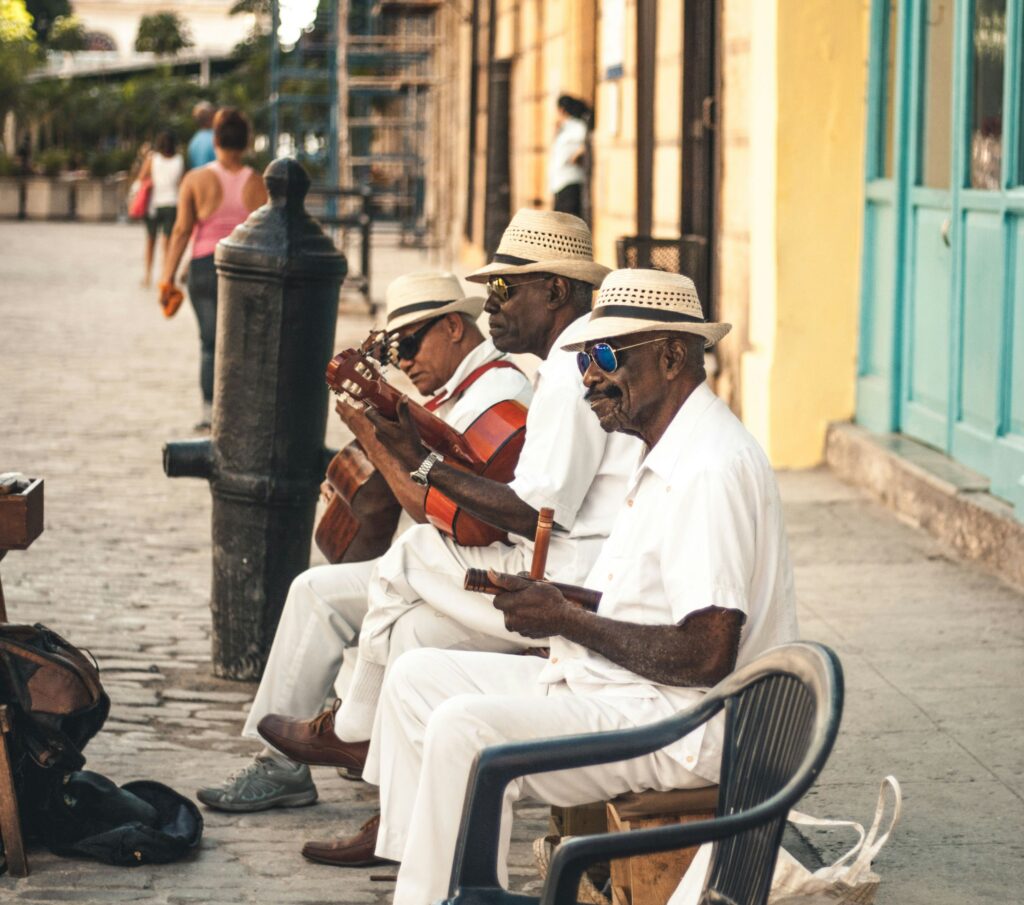
Solo travel also gives you the freedom to experience Cuba without rushing. Spend an afternoon listening to live music in Havana, wander through art galleries in Trinidad, or simply enjoy a coffee while watching daily life unfold from a shaded plaza.

Best Places to Visit Alone

Havana

No solo trip to Cuba would be complete without visiting Havana. The capital city is packed with colorful colonial buildings, vintage American cars, lively plazas, museums, and incredible architecture.

Spend your mornings exploring Old Havana, a UNESCO World Heritage Site, before enjoying lunch at a local paladar (privately owned restaurant). In the evenings, the famous Malecón seawall comes alive with musicians, families, and friends gathering to watch the sunset.

Viñales

If you love nature, Viñales should be near the top of your list. This peaceful valley is famous for its dramatic limestone mountains, tobacco farms, horseback riding, and scenic hiking trails.

It’s an excellent destination for solo travelers looking for a slower pace while still meeting other visitors through guided tours and outdoor activities.

Trinidad

Trinidad feels like stepping back in time. Cobblestone streets, brightly painted homes, and beautifully preserved Spanish colonial architecture make it one of Cuba’s most photogenic destinations.

During the evenings, Plaza Mayor and Casa de la Música become gathering places where both locals and travelers enjoy live music and dancing.

Varadero

If relaxation is your goal, Varadero offers miles of soft white sand and crystal-clear turquoise water. Solo travelers can spend their days swimming, snorkeling, taking catamaran excursions, or simply enjoying the beach with a good book.

Staying in Casa Particulares

One of the best experiences for solo travelers is staying in a casa particular instead of a traditional hotel.

These privately owned guesthouses offer a much more personal experience. Hosts often prepare homemade breakfasts, provide local recommendations, arrange transportation, and help guests navigate nearby attractions.

Many solo travelers find that staying in a casa particular makes it much easier to connect with local culture while also feeling welcomed and supported during their trip.

Getting Around Cuba

Transportation requires a little more planning than in many destinations.

Popular options include:

  • Viazul buses connecting major cities
  • Shared taxis between destinations
  • Private taxis for convenience
  • Organized day tours
  • Walking in historic city centers

Because schedules can change and transportation isn’t always frequent, it’s helpful to plan travel days in advance and allow flexibility in your itinerary.

Staying Safe

Although Cuba is generally welcoming, solo travelers should still use common travel precautions.

Keep valuables out of sight, especially in crowded tourist areas. Carry only the cash you’ll need for the day and store your passport securely at your accommodation whenever possible.

Avoid poorly lit areas late at night, especially if you’re unfamiliar with the neighborhood. If you’re returning after dark, consider taking a licensed taxi rather than walking long distances.

It’s also wise to let someone back home know your itinerary and check in periodically throughout your trip.

Meeting People While Traveling

Traveling alone doesn’t mean you’ll be lonely.

Cuba naturally encourages conversation. Whether you’re staying in a casa particular, joining a walking tour, taking a salsa lesson, or enjoying live music, opportunities to meet both locals and fellow travelers are everywhere.

Many visitors end up sharing meals, joining excursions together, or exchanging travel recommendations with people they meet along the way.

Learning a few basic Spanish phrases can also make interactions more enjoyable and shows respect for the local culture.

Money Tips

Cash is essential when traveling throughout Cuba. Many businesses, especially smaller restaurants and guesthouses, may not accept international credit cards.

Bring enough cash for your trip, along with some extra for unexpected expenses. It’s also helpful to divide your money into different secure locations rather than carrying it all in one wallet.

Keep smaller bills available for tips, taxis, and local purchases.

What to Pack

Packing thoughtfully can make solo travel much easier.

Bring lightweight clothing suitable for warm weather, comfortable walking shoes, sunscreen, insect repellent, a reusable water bottle, and a portable battery pack for your phone.

Since internet access can be limited compared to many countries, downloading offline maps and translation apps before arriving can be incredibly helpful.

A small daypack is useful for carrying daily essentials while exploring cities or taking day trips.

Embracing the Cuban Experience

One of the biggest adjustments for many visitors is slowing down.

Things don’t always operate on a strict schedule in Cuba. Transportation may run late, internet access may be limited, and everyday life often moves at a relaxed pace.

Instead of viewing these moments as inconveniences, embrace them as part of the experience. Spend extra time talking with locals, listening to street musicians, or enjoying the atmosphere of a neighborhood square.

Some of the most memorable travel experiences happen when plans change unexpectedly.

Solo travel in Cuba offers an unforgettable combination of culture, history, music, beautiful landscapes, and genuine human connection. The country’s welcoming atmosphere, unique character, and slower pace make it an ideal destination for travelers seeking something beyond the typical beach vacation.

By planning ahead, staying aware of your surroundings, and remaining open to new experiences, you’ll discover that traveling alone in Cuba is not only manageable but incredibly rewarding. From wandering the colorful streets of Havana to watching the sunset over the Caribbean Sea, every day brings opportunities for adventure and meaningful memories.

If you’re looking for a destination where every conversation, every street corner, and every historic plaza tells a story, Cuba is a place that’s well worth exploring on your own.
Best Beaches in Cuba: Discover the Island’s Most Beautiful Coastal Escapes

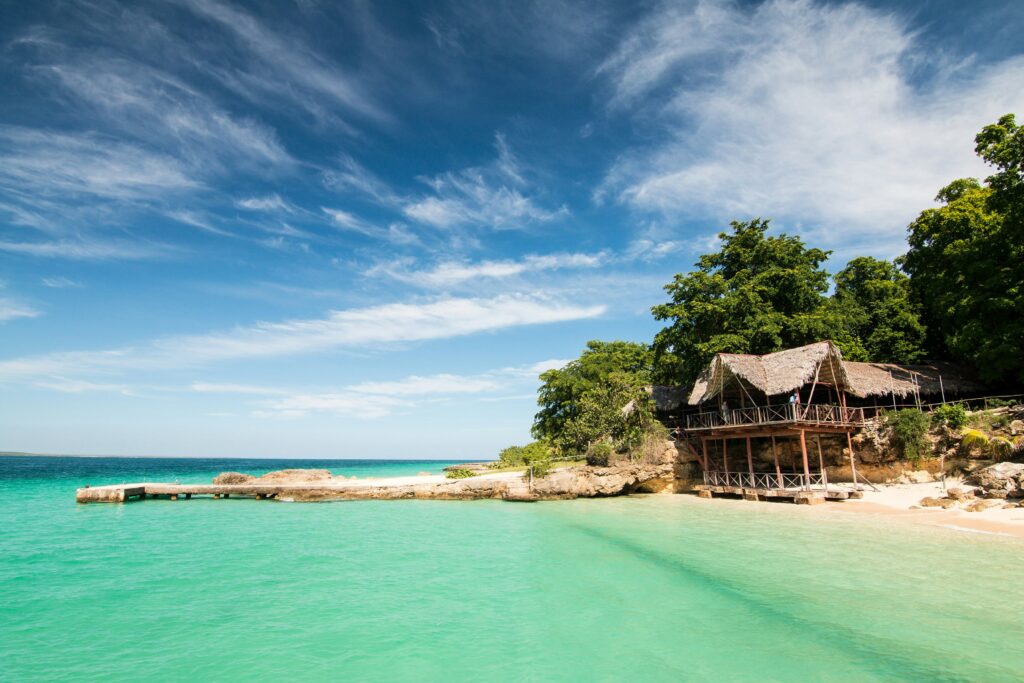
Cuba is famous for its vibrant culture, colorful colonial cities, classic vintage cars, and rich history, but its beaches are equally spectacular. With more than 3,500 miles of coastline, the island is home to some of the Caribbean’s most breathtaking stretches of sand. Crystal-clear turquoise waters, powdery white beaches, coral reefs, and peaceful coves make Cuba an unforgettable destination for beach lovers.

Whether you’re looking for a lively resort town, a quiet island getaway, or a secluded beach perfect for snorkeling, Cuba offers something for every type of traveler. Here are some of the best beaches in Cuba and what makes each one worth visiting.

Varadero Beach

Varadero Beach is undoubtedly Cuba’s most famous beach, and for good reason. Stretching for approximately 12 miles along the Hicacos Peninsula, it consistently ranks among the best beaches in the Caribbean.

The soft white sand is incredibly fine, while the calm, shallow waters are perfect for swimming, paddleboarding, and families with children. The vibrant blue shades of the Caribbean Sea create postcard-worthy views throughout the day.

Varadero is also home to numerous all-inclusive resorts, restaurants, golf courses, and water sports operators, making it an excellent choice for visitors who want convenience alongside natural beauty.

Popular activities include:

  • Snorkeling
  • Scuba diving
  • Catamaran cruises
  • Parasailing
  • Deep-sea fishing
  • Dolphin encounters

Despite its popularity, the beach is large enough that it’s usually easy to find a peaceful spot to relax.

Playa Ancón

Located just outside the historic city of Trinidad, Playa Ancón is one of Cuba’s finest southern beaches.

Unlike many beaches found on the northern coast, Playa Ancón offers a quieter atmosphere while still providing beautiful white sand and clear turquoise water. Its location makes it easy to combine cultural sightseeing with a relaxing beach day.

Visitors often spend the morning exploring Trinidad’s colorful colonial streets before heading to Playa Ancón in the afternoon.

The offshore coral reefs make this beach a favorite for snorkeling and scuba diving, with tropical fish, colorful coral formations, and excellent underwater visibility.

Cayo Coco

Connected to mainland Cuba by a scenic causeway, Cayo Coco is known for its pristine beaches and luxury resorts.

The island feels wonderfully secluded, surrounded by protected natural areas that are home to flamingos, pelicans, and other wildlife.

The beaches here feature soft white sand and calm, shallow water that is ideal for swimming. Because of the island’s barrier reef, snorkeling and diving are especially popular.

Nature lovers will appreciate that much of Cayo Coco remains undeveloped, helping preserve its peaceful atmosphere.

Cayo Guillermo

Just west of Cayo Coco lies Cayo Guillermo, a smaller island with some of the most beautiful beaches in the country.

Its most famous stretch of coastline, Playa Pilar, is often considered one of Cuba’s finest beaches. Named after Ernest Hemingway’s fishing boat, Playa Pilar features powder-soft sand dunes, crystal-clear water, and stunning shades of blue.

Unlike busier resort beaches, Playa Pilar maintains a relaxed atmosphere where visitors can truly unwind.

The calm waters are excellent for kayaking, paddleboarding, and snorkeling.

Guardalavaca Beach

Located in eastern Cuba near Holguín, Guardalavaca Beach combines natural beauty with authentic Cuban charm.

While several resorts are located nearby, the beach retains a friendly local atmosphere that many visitors appreciate. Palm trees line the shore, providing natural shade, while calm waters make swimming enjoyable for all ages.

The nearby coral reef offers excellent snorkeling opportunities, with colorful marine life easily visible just offshore.

Guardalavaca also serves as a convenient base for exploring eastern Cuba’s historical and cultural attractions.

Playa Esmeralda

Just a short drive from Guardalavaca is Playa Esmeralda, whose name translates to “Emerald Beach.”

This picturesque beach is known for its vibrant green-blue waters and peaceful surroundings. The protected bay keeps the water calm throughout much of the year, making it an excellent destination for swimming and paddleboarding.

Luxury resorts nearby provide easy access while preserving much of the beach’s natural beauty.

Visitors often comment on the tranquility of Playa Esmeralda compared to Cuba’s larger tourist destinations.

Cayo Santa María

Part of the Jardines del Rey archipelago, Cayo Santa María offers miles of undeveloped coastline and crystal-clear Caribbean water.

The island has become increasingly popular thanks to its modern resorts, yet the beaches remain wonderfully spacious.

Soft sand, gentle waves, and excellent snorkeling make Cayo Santa María an outstanding choice for couples, honeymooners, and families seeking a quieter beach vacation.

The drive across the long causeway connecting the island to mainland Cuba also provides beautiful ocean views.

Playa Larga

Located on the Bay of Pigs, Playa Larga is famous for both its history and incredible marine life.

Divers and snorkelers travel from around the world to explore the nearby coral reefs, underwater caves, and shipwrecks.

The surrounding Zapata Peninsula is one of Cuba’s most important ecological reserves, making Playa Larga an excellent destination for visitors interested in wildlife, birdwatching, and nature photography.

Unlike many resort beaches, Playa Larga offers a more authentic and laid-back atmosphere.

Playa Girón

Also located along the Bay of Pigs, Playa Girón is another favorite among diving enthusiasts.

Its underwater visibility is exceptional, and the nearby coral reefs are home to tropical fish, sea fans, and fascinating marine ecosystems.

History lovers also appreciate Playa Girón’s significance as the site of the 1961 Bay of Pigs invasion.

The combination of history and natural beauty makes this destination unique among Cuba’s beaches.

Playa Sirena

Situated on the small island of Cayo Largo del Sur, Playa Sirena is often described as one of the Caribbean’s most beautiful beaches.

Its incredibly soft white sand, calm shallow water, and minimal development create an almost untouched tropical paradise.

Without large crowds or heavy commercial activity, Playa Sirena offers visitors the opportunity to enjoy nature at its finest.

Catamaran excursions, snorkeling trips, and beach walks are among the most popular activities here.

Choosing the Right Beach

The best beach for your vacation depends on the type of experience you’re seeking.

If you’re looking for luxury resorts and plenty of amenities, Varadero, Cayo Coco, and Cayo Santa María are excellent choices.

Travelers who prefer combining history with beach time may enjoy Playa Ancón near Trinidad or Playa Girón along the Bay of Pigs.

For those seeking peace and seclusion, Playa Pilar and Playa Sirena offer unforgettable tropical scenery with fewer crowds.

Snorkelers and scuba divers will find excellent underwater adventures at Guardalavaca, Playa Larga, Playa Girón, and Cayo Coco thanks to Cuba’s healthy coral reefs and clear water.

Tips for Visiting Cuba’s Beaches

To make the most of your beach vacation, arrive early if you plan to visit popular destinations during peak travel season. Bringing reef-safe sunscreen, a hat, sunglasses, and plenty of drinking water will help you stay comfortable under the tropical sun.

Water shoes can be useful at beaches with rocky areas or coral near the shoreline, while snorkeling equipment is worth bringing if you plan to explore Cuba’s colorful marine life.

Always respect protected natural areas by avoiding contact with coral reefs and disposing of trash responsibly to help preserve these beautiful environments for future visitors.

Cuba’s coastline offers an incredible variety of beach experiences, from world-famous resort destinations to secluded tropical hideaways. Whether you’re relaxing on the powdery sands of Varadero, snorkeling the reefs of Guardalavaca, watching the sunset at Playa Pilar, or discovering the peaceful beauty of Playa Sirena, you’ll quickly understand why Cuba is considered one of the Caribbean’s top beach destinations.

No matter which stretch of coastline you choose, you’ll find warm turquoise waters, breathtaking scenery, and the laid-back atmosphere that makes a Cuban beach vacation truly unforgettable. For travelers seeking both relaxation and adventure, the best beaches in Cuba provide the perfect escape into paradise.

Cuba’s Famous Historical Landmarks: A Journey Through the Island’s Rich Past

Cuba is much more than beautiful beaches and classic American cars. The island is home to centuries of fascinating history, reflected in its colonial cities, military fortresses, grand plazas, and preserved architecture. From Spanish colonial rule to the fight for independence and the country’s revolutionary history, Cuba’s landmarks tell the story of a nation shaped by resilience, culture, and tradition.

Whether you’re planning your first visit or simply want to learn more about this remarkable Caribbean destination, exploring Cuba’s famous historical landmarks offers a deeper understanding of the island’s heritage. Here are some of the most significant sites that deserve a place on every travel itinerary.

Old Havana (Habana Vieja)

No visit to Cuba would be complete without exploring Old Havana, the historic heart of the capital city. Designated a UNESCO World Heritage Site in 1982, this beautifully preserved district showcases more than 500 years of Cuban history.

Walking through Old Havana feels like stepping into another era. Narrow cobblestone streets wind between colorful colonial buildings, lively plazas, churches, museums, cafés, and local shops. Every corner reveals architectural details influenced by Spanish Baroque, Neoclassical, and Art Deco styles.

Some of the area’s most famous squares include Plaza Vieja, Plaza de Armas, Plaza de San Francisco, and Plaza de la Catedral. Each has its own unique history and atmosphere, making it easy to spend an entire day exploring on foot.

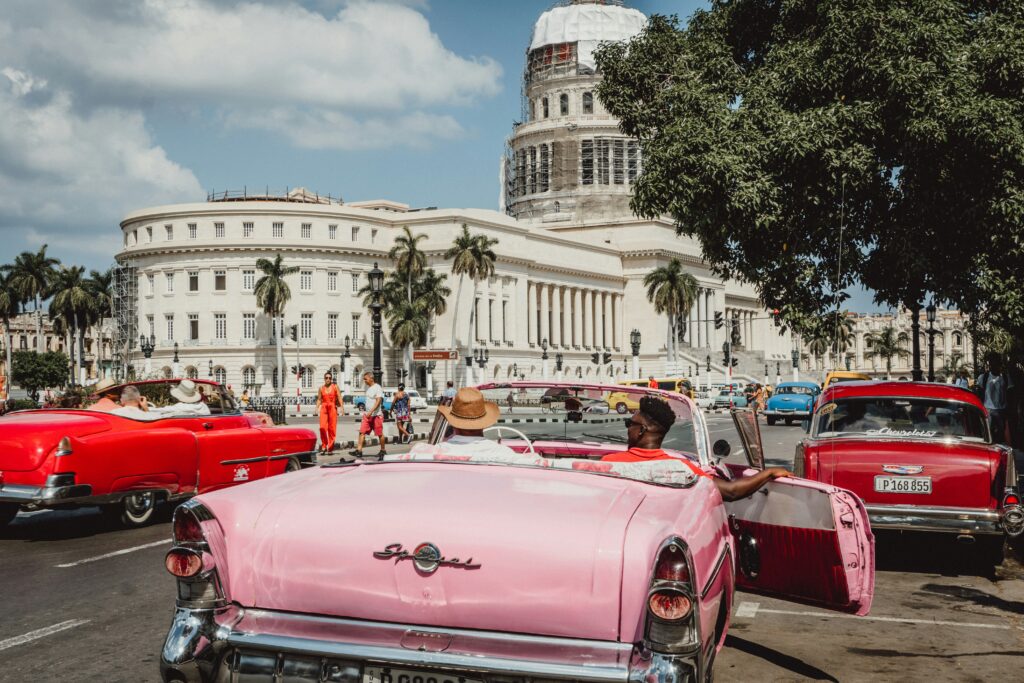
Street musicians, artists, and vintage automobiles add to Old Havana’s unforgettable charm, blending history with modern Cuban culture.

Castillo de los Tres Reyes del Morro

Standing proudly at the entrance to Havana Bay, Castillo de los Tres Reyes del Morro—often simply called El Morro—is one of Cuba’s most recognizable landmarks.

Construction of the fortress began in the late 1500s after repeated pirate attacks threatened Havana’s growing importance as a Spanish port. Built atop rocky cliffs overlooking the Caribbean Sea, the castle provided strategic protection for ships entering the harbor.

Visitors today can explore the fortress walls, underground passageways, old cannons, and watchtower while enjoying breathtaking panoramic views of Havana’s skyline.

Every evening, a traditional cannon-firing ceremony recreates the colonial ritual that once signaled the closing of the city’s protective gates.

Fortaleza de San Carlos de la Cabaña

Located next to El Morro is La Cabaña, one of the largest Spanish colonial fortresses ever constructed in the Americas.

Completed during the eighteenth century, this massive military complex was built to strengthen Havana’s defenses following the British occupation of the city in 1762.

The fortress later played several important roles throughout Cuban history, including military headquarters during the Cuban Revolution.

Today, visitors can tour museums, historical exhibits, and restored military buildings while learning about Cuba’s colonial and revolutionary past.

The nightly cannon ceremony remains one of Havana’s most popular attractions.

Trinidad

The city of Trinidad is often considered one of the best-preserved colonial towns in the Americas. Founded in 1514, it prospered during Cuba’s sugar industry boom and remains remarkably unchanged.

Walking through Trinidad’s cobblestone streets feels like traveling back to the eighteenth and nineteenth centuries. Beautiful pastel-colored homes, wrought-iron balconies, churches, and charming plazas have been carefully preserved.

The city’s Plaza Mayor serves as the centerpiece, surrounded by museums, historic mansions, and gardens that showcase the wealth generated by nearby sugar plantations.

Trinidad was recognized as a UNESCO World Heritage Site for its outstanding preservation and historical significance.

Valle de los Ingenios

Just outside Trinidad lies Valle de los Ingenios, or the Valley of the Sugar Mills.

During the eighteenth and nineteenth centuries, this region became one of the world’s leading sugar-producing areas. Dozens of plantations operated here, relying heavily on enslaved labor brought from Africa.

Today, visitors can explore plantation ruins, restored estates, historic homes, and the iconic Manaca Iznaga Tower. The tower was originally built to oversee plantation operations and monitor enslaved workers in the surrounding fields.

The valley serves as an important reminder of both Cuba’s economic prosperity and the difficult chapters of its history.

Santa Clara and the Che Guevara Mausoleum

Santa Clara holds a special place in modern Cuban history because of its connection to the Cuban Revolution.

The city became famous for the decisive Battle of Santa Clara in 1958, a major turning point that helped bring the revolutionary movement to power.

Today, many visitors come to see the Che Guevara Mausoleum and Memorial. The complex includes a museum displaying photographs, personal belongings, historical documents, and exhibits about Ernesto “Che” Guevara’s life and role in the revolution.

Whether visitors are interested in politics or history, the memorial offers valuable insight into one of the twentieth century’s most influential historical figures.

Viñales Valley

Although primarily known for its breathtaking natural beauty, Viñales Valley also represents an important piece of Cuba’s agricultural history.

For generations, local farmers have cultivated tobacco using traditional methods that have changed very little over the centuries. Visitors can tour family-owned tobacco farms, explore curing barns, and learn how some of the world’s finest cigars begin their journey.

The surrounding limestone mountains, known as mogotes, create one of Cuba’s most distinctive landscapes and have helped preserve the valley’s traditional way of life.

UNESCO recognized Viñales Valley as a World Heritage Site because of its cultural landscape and agricultural heritage.

Castillo de Jagua

Near the city of Cienfuegos stands Castillo de Jagua, a fortress built in the eighteenth century to protect Cuba’s southern coastline from pirates and privateers.

Although smaller than Havana’s famous fortresses, Castillo de Jagua remains remarkably well preserved. Visitors can walk through its stone corridors, climb defensive towers, and enjoy beautiful views overlooking Jagua Bay.

Its peaceful setting makes it one of Cuba’s lesser-known historical treasures.

Santiago de Cuba’s Historic Center

Often called the birthplace of the Cuban nation, Santiago de Cuba played a central role in the island’s colonial history, independence movement, and revolutionary struggles.

The city’s historic center features beautiful plazas, colonial architecture, cathedrals, museums, and monuments celebrating Cuba’s diverse cultural influences.

Nearby, Castillo del Morro de Santiago de Cuba guards the entrance to Santiago Bay. Built during the seventeenth century, the fortress is another UNESCO World Heritage Site and remains one of the finest examples of Spanish military architecture in the Caribbean.

El Capitolio

One of Havana’s most impressive architectural landmarks is El Capitolio, completed in 1929.

Inspired by the United States Capitol Building in Washington, D.C., the structure served as Cuba’s seat of government before the Cuban Revolution.

Its enormous dome dominates Havana’s skyline, while the interior features grand marble staircases, elaborate sculptures, historic chambers, and beautifully restored halls.

Today, El Capitolio stands as both an architectural masterpiece and a symbol of Cuba’s complex political history.

Preserving Cuba’s Heritage

One of the most remarkable aspects of traveling through Cuba is seeing how much of its history has been preserved. Many historic districts continue to function as vibrant communities where residents live, work, and celebrate traditions that have been passed down through generations.

UNESCO recognition has helped protect many of Cuba’s most significant landmarks, ensuring future generations can continue to experience these important pieces of history.

From colonial fortresses overlooking the Caribbean Sea to charming cobblestone towns and revolutionary memorials, Cuba offers travelers an extraordinary opportunity to explore centuries of history in one unforgettable destination.

Cuba’s famous historical landmarks provide far more than beautiful photo opportunities—they tell the story of an island shaped by exploration, colonialism, trade, revolution, and cultural resilience. Every fortress, cathedral, plaza, and historic street offers visitors a glimpse into the events that have influenced Cuba’s identity over the past five centuries.

Whether you’re wandering through the colorful streets of Old Havana, climbing the towers of ancient fortresses, exploring colonial Trinidad, or learning about Cuba’s revolutionary history in Santa Clara, these landmarks create meaningful connections between the past and present.

For travelers who appreciate history, architecture, and culture, Cuba’s remarkable historical sites are among the island’s greatest treasures and should be at the top of every itinerary.

loading
×